
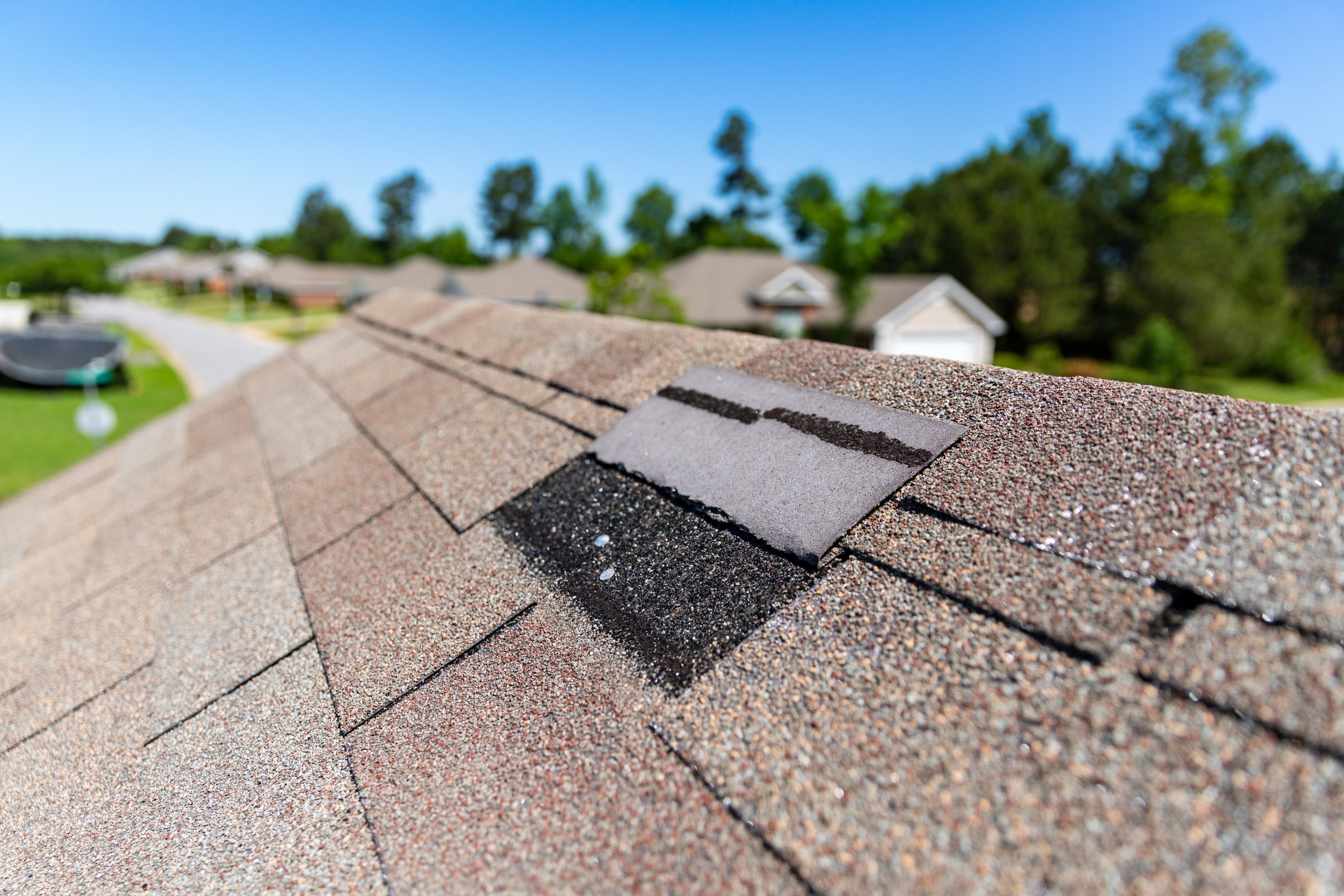
A storm rolls through, a branch falls, or strong winds damage your shingles. When something happens to your roof, one of the first questions you may ask is: Does homeowners insurance cover a roof replacement?
This guide explains how homeowners insurance may apply to roof damage, leaks, and roof replacement. You’ll also learn what typically isn’t covered, how roof insurance claims work, and why regular roof maintenance can help protect your home.
Does Homeowners Insurance Cover a Roof Replacement?
Homeowners insurance may help pay to repair or replace your roof if the damage is sudden, accidental, and caused by a covered event. Common examples may include fire, lightning, wind, hail, or damage from a falling tree or branch.
For example, if a severe storm tears off shingles or a falling branch damages your roof, your policy may help cover the cost to repair or replace the damaged area. You’ll typically need to pay your deductible first, and coverage will depend on your policy’s terms, conditions, and exclusions.
Roof coverage can also depend on your roof’s age and condition. Some policies may cover an older roof based on its actual cash value, which factors in depreciation, while others may include replacement cost coverage. A local Mercury agent can help you understand how your policy applies.
What Types of Roof Damage Are Not Covered by Insurance?
Homeowners insurance can help protect your roof from many covered events, but it doesn’t cover every type of damage. Policies are designed for sudden, accidental losses, not problems that develop over time.
Roof damage may not be covered if it comes from:
- Wear and tear: Aging shingles, gradual deterioration, or normal use over time.
- Neglected maintenance: Damage that gets worse because repairs were not made.
- Poor installation: Problems caused by improper workmanship or defective materials.
- Cosmetic damage: Dents or marks that affect the roof’s ability to protect your home, depending on your policy.
- Excluded events: Damage from floods, earthquakes, or other events that may require separate coverage.
Coverage can vary, so review your policy and talk with your insurance agent if you’re unsure what applies to your roof.
How Can Your Roof Affect Your Home Insurance?
Your roof plays an important role in protecting your home, so insurance companies may look at several roof-related factors when reviewing your coverage options or premium. These include:
- Age: An older roof may be more likely to leak or sustain damage, which could affect your coverage options.
- Materials: Roofing materials can affect durability. Some materials, such as metal, slate, or tile, may hold up better against certain risks, while wood shake roofs may create additional concerns in fire-prone areas.
- Condition: A roof with missing shingles, sagging areas, leaks, or visible wear can make a house difficult to insure. Regular maintenance and inspections can help you catch problems early.
- Shape: Roof design can also matter. Hip roofs, for example, may perform better in high winds than some gable roofs, depending on the home and location.
A newer, well-maintained roof made with durable materials may help show that your home is cared for and better protected. While a roof upgrade doesn’t guarantee lower premiums, it may improve your home’s safety and help support your overall insurability.
Tips for Roof Maintenance
Roof maintenance is one of the best home improvements to lower insurance, especially as it ages each year. Remember, insurers usually won’t cover roof damage caused by wear and tear or negligence, so keeping it in good condition can help minimize out-of-pocket costs. Here are some tips to consider when thinking about roof maintenance:
- Get a roof inspection: Getting a roof inspection every few years can help catch issues before they turn into bigger, more expensive problems.
- Clear away debris: Remove any objects that land on your roof because they may cause it to deteriorate.
- Replace worn shingles: Damaged shingles are more prone to water damage and leaking.
- Document your roof’s condition: Having before-and-after photos can help accurately depict the severity of the roof damage when filing a claim.
- Contact your insurer when renovating: You may receive homeowners insurance discounts when upgrading your roof.
Taking the Next Steps for Your Home and Roof
A standard policy may cover a roof replacement insurance claim or interior water damage if the root cause is a sudden, covered peril. It won’t, however, cover the cost of standard aging or a lack of routine upkeep. The best ways to protect your financial investment are to maintain your roof and understand your policy details.
A local Mercury agent can help you understand how your roof’s age and condition may affect your homeowners insurance coverage and what options may best fit your home.
Contact us today for a fast, free quote!
How Do You File a Roof Damage Insurance Claim?
Roof insurance claims can feel easier to manage when you stay organized and act quickly. If your roof is damaged, use this checklist to help guide your next steps:
Step 1: Take photos and videos of the damage
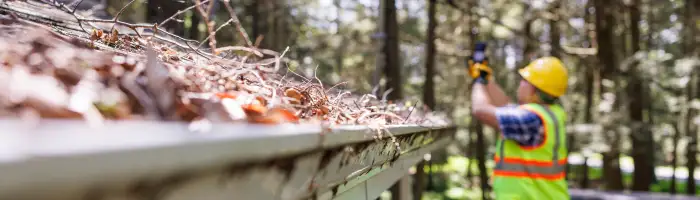
Document the exterior roof damage if it’s safe to do so, as well as any interior water damage or impacted personal belongings.
Step 2: Make temporary repairs to prevent more damage
Place tarps over holes or buckets under leaks to mitigate further loss.
Step 3: Keep receipts
Save all receipts for materials used in your temporary repairs, as you may be reimbursed.
Step 4: Contact your insurance company
Reach out to your insurance agent or claims department before committing to any major, permanent repairs.
Step 5: Get contractor estimates
Collect written estimates from licensed, reputable local roofing contractors.
Step 6: Meet with the adjuster
An insurance adjuster will likely visit your property to inspect the damage and review the scope of the required repairs.
Step 7: Review the claim settlement
Carefully read through the settlement offer with your agent to understand your payout before work begins.
Frequently Asked Questions
Will homeowners insurance cover a leaking roof?
Homeowners insurance may cover a roof leak if it was caused by a sudden, covered event, such as wind, hail, or a falling tree. Leaks caused by wear and tear, age, or lack of maintenance typically aren’t covered.
Can my home insurance company require me to replace my roof?
Yes. Your insurance company may require roof repairs or replacement if the roof is too old, damaged, or in poor condition to meet coverage requirements.
Can I get homeowners insurance with a bad roof?
It may be harder to get homeowners insurance with a bad roof. Some insurers may limit coverage, require repairs, or decline coverage until the roof is fixed or replaced.
Does getting a new roof lower home insurance?
A new roof may help lower your homeowners insurance premium, but savings aren’t guaranteed. Your rate depends on factors such as roof materials, location, policy details, and your insurer’s guidelines.

The Mercury Marketing Team is made up of professionals in the fields of Content Creation, Public Relations, Social Media and Journalism. The team works together to deliver professionally written and researched content to provide information for consumers.